
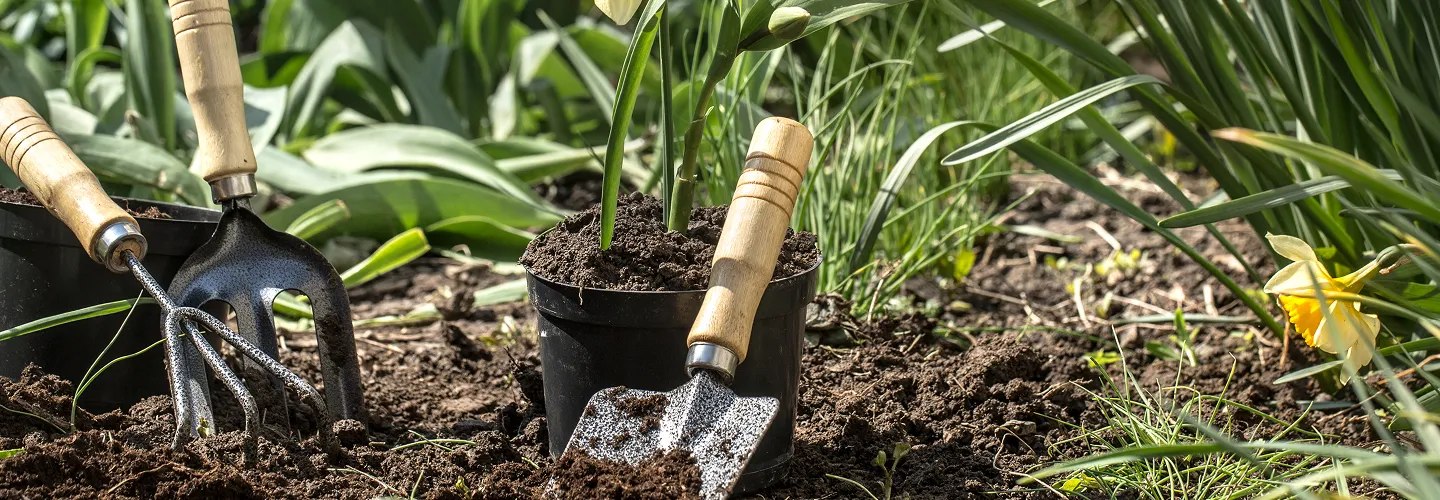
East Greenwich Flower Bed Maintenance Services
Choose our Flower Bed Maintenance for expert care that keeps your garden blooming beautifully all season long—enjoy healthy, colorful flower beds without the hassle.
Get a Free QuoteOur East Greenwich Landscaping & Yard Care Services
When to Schedule Flower Bed Maintenance in East Greenwich, Rhode Island – Seasonal Guide
In East Greenwich, Rhode Island, the best times for flower bed maintenance are closely tied to our unique coastal climate and the rhythms of the seasons. Early spring, just after the last frost date—typically in mid-April for neighborhoods like Hill & Harbour and Frenchtown—is ideal for cleaning beds, dividing perennials, and applying fresh mulch. This timing ensures plants are protected from late cold snaps while taking advantage of warming soil and increasing daylight. Summer maintenance focuses on weed control and monitoring for drought stress, especially in areas near Goddard Memorial State Park where sandy soils can dry quickly. Fall is another key window, as cooler temperatures and increased rainfall help establish new plantings and prepare beds for winter.
Local factors such as humidity levels, shade from mature trees in neighborhoods like Cedar Heights, and the risk of late-season storms all play a role in determining the optimal maintenance schedule. Soil composition varies across East Greenwich, with some areas experiencing clay-heavy soils that retain moisture, while others have well-drained loam. Homeowners should also be aware of any municipal guidelines regarding landscaping and water use, which can affect when and how maintenance is performed.
Local Factors to Consider for Flower Bed Maintenance in East Greenwich
- Proximity to Narragansett Bay and its influence on humidity and salt exposure
- Tree density and shade coverage, especially in established neighborhoods
- Soil type (clay, loam, or sandy) and drainage characteristics
- Average precipitation and risk of summer droughts
- Frost dates and the timing of spring and fall temperature shifts
- Terrain and slope, which can impact runoff and erosion
- Local municipal restrictions on water use or landscaping practices
Benefits of Flower Bed Maintenance in East Greenwich
Enhanced Curb Appeal
Weed and Pest Prevention
Healthier Plant Growth
Seasonal Color Variety
Professional Landscape Expertise
Time and Effort Savings
East Greenwich Flower Bed Maintenance Types

Seasonal Flower Planting
-
Weed Control Services
-
Mulching and Soil Conditioning
-
Pruning and Deadheading
-
Fertilization Programs
-
Pest and Disease Management
-
Edging and Bed Redefining
Our Flower Bed Maintenance Process
Site Evaluation
Weed Removal
Soil Preparation
Plant Care
Mulching
Why Choose East Greenwich Landscape Services
-
East Greenwich Homeowners Trust Us
-
Expert Lawn Maintenance
-
Reliable Seasonal Cleanups
-
Competitive Pricing
-
Professional Team
-
Satisfaction Guarantee
-
Personalized Service
East Greenwich’s Glacial Till Soils: Implications for Flower Bed Maintenance
Flower bed maintenance in East Greenwich requires careful consideration of the town’s predominant glacial till soils, classified as Inceptisols and Udults according to the USDA Web Soil Survey. These soils are typically rocky, moderately acidic (pH 5.5–6.5), and often poorly drained, especially in low-lying areas. Proper soil preparation is essential for healthy flower beds, including the incorporation of 2–3 inches of compost tilled to a 6-inch depth and lime application if pH falls below 6.0. Soil testing is available through the University of Rhode Island Cooperative Extension for a typical fee of $15–25. When selecting plant species, prioritize those tolerant of moderate acidity and variable drainage, such as black-eyed Susan, daylily, and wild bergamot. Regular monitoring for compaction and seasonal waterlogging is recommended to ensure optimal root health and prevent plant stress.
Municipal Collection and Disposal Protocols for Flower Bed Debris in East Greenwich
Proper disposal of flower bed debris in East Greenwich is governed by municipal collection schedules and local ordinances. Yard waste is collected weekly on Thursdays from April through November. Residents must use biodegradable paper bags or reusable bins (32-gallon maximum); plastic bags and branches over 4 inches in diameter are prohibited. Accepted materials include leaves, grass clippings, and brush under 4 feet in length. Debris should be placed curbside by 7:00 AM on collection day. For large quantities or off-schedule disposal, the Department of Public Works provides guidance on drop-off locations and special pickups.
East Greenwich RI Department of Public Works
111 Peirce Street, East Greenwich, RI 02818
Phone: (401) 886-8620
Official Website: East Greenwich RI Department of Public Works
Compliance with these protocols helps prevent stormwater violations under the Clean Water Act and supports the town’s MS4 permit requirements.
Seasonal Timing and Climate Considerations for Flower Bed Care in East Greenwich
East Greenwich is located in USDA Hardiness Zone 6b–7a, with average last frost dates in late April and first frost in late October. Optimal planting and maintenance windows for flower beds are April 15–May 30 (spring) and August 20–September 30 (fall). Soil temperatures should reach 50–65°F before planting annuals or perennials. Avoid major soil disturbance or fertilization during June–August, when heat stress is common. The National Weather Service Boston/Norton office provides up-to-date local forecasts to guide timing of maintenance activities. Key timing guidelines include:
- Spring planting: April 15–May 30
- Fall planting: August 20–September 30
- Fertilization: Early May and September
- Avoid: June–August (heat stress period) Adhering to these windows ensures successful establishment and reduces the risk of plant loss due to late frosts or summer heat.
Environmental Compliance: Wetland Buffers and Stormwater Management in East Greenwich
Flower bed maintenance near wetlands, streams, or conservation areas in East Greenwich is subject to strict environmental regulations. A 25-foot no-disturbance buffer is typically required from the edge of wetlands, and no fertilizer or pesticide application is permitted within 50 feet of any water body. The town’s MS4 permit, administered under the Rhode Island Environmental Rights Act, prohibits yard waste and clippings from entering storm drains. All maintenance activities must comply with these standards to protect local water quality and sensitive habitats. For guidance on buffer zones and compliance, consult the Planning Department.
East Greenwich RI Planning Department
125 Main Street, East Greenwich, RI 02818
Phone: (401) 886-8643
Official Website: East Greenwich RI Planning Department
Additional resources are available from the Rhode Island Department of Environmental Management and EPA Region 1.
Professional Standards and Safety Protocols for Flower Bed Maintenance in East Greenwich
All flower bed maintenance in East Greenwich must adhere to municipal safety and equipment standards. Equipment operation is permitted:
- Monday–Friday: 7:00 AM–7:00 PM
- Saturday: 8:00 AM–6:00 PM
- Sunday and holidays: Prohibited Operators must use commercial-grade tools with functioning mufflers and maintain noise levels below 85 decibels at property lines. Personal protective equipment (PPE) is required, including:
- Eye protection: ANSI Z87.1 safety glasses
- Hearing protection: Earmuffs or plugs for 85+ dB
- Footwear: Steel-toed, non-slip boots
- Gloves: Cut-resistant for pruning, chemical-resistant for applications All personnel must maintain a 15-foot clearance from overhead utilities and follow local traffic control protocols when working near public roads. For further information on safety requirements, contact the Department of Public Works.
East Greenwich RI Department of Public Works
111 Peirce Street, East Greenwich, RI 02818
Phone: (401) 886-8620
Official Website: East Greenwich RI Department of Public Works
What Neighborhoods Do We Serve Throughout East Greenwich, RI?
- Hill & Harbour District: Historic area with mature landscaping, compacted urban soils, and narrow streets requiring careful equipment access and compliance with local preservation standards.
- Frenchtown: Suburban neighborhood with larger lots, moderate tree cover, and variable drainage; flower beds often face deer pressure and require deer-resistant plantings.
- Greenwich Woods: Newer development with well-drained soils, HOA landscaping guidelines, and modern irrigation systems; maintenance must align with community standards.
- Cedar Heights: Elevated terrain with rocky soils and seasonal water runoff; flower beds benefit from erosion control measures and drought-tolerant species.
- Tillinghast: Proximity to conservation land and wetlands necessitates strict buffer compliance and use of native, pollinator-friendly plants.
- Sunnyside: Residential area with older homes, established shade trees, and compacted soils; regular soil amendment and aeration are recommended for healthy beds.
- River Farm: Located near the Hunt River, this area requires careful management of fertilizer and pesticide use to protect water quality and comply with wetland buffer regulations.